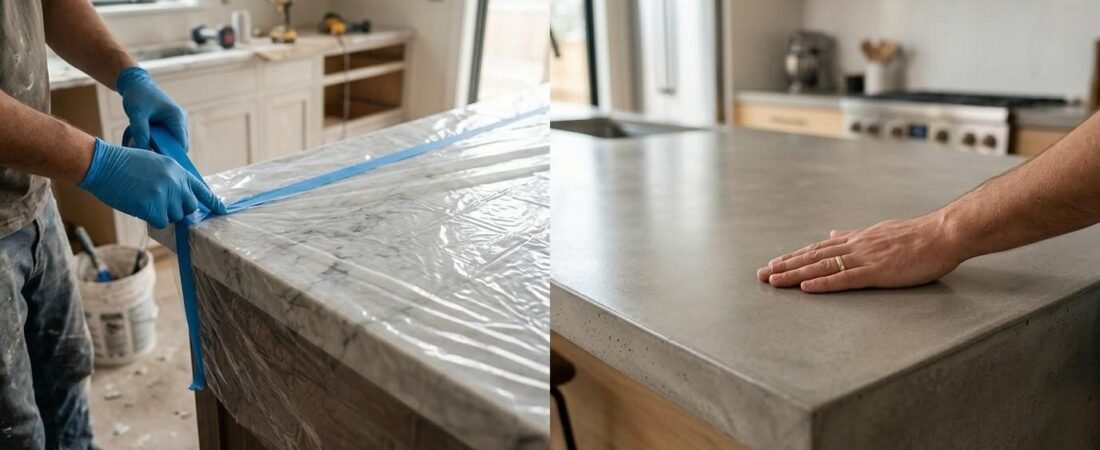
Whether you’re renovating a home, managing a commercial build, protecting vehicles, or preserving valuable materials on a job site, choosing the right Surface Protection solution is critical. From temporary floor surface protection during construction to long-term ceramic coating and paint protection film for vehicles, every project requires the right balance of durability, cost, and convenience.
Understanding the difference between temporary and permanent protection systems can help reduce repair costs, improve project efficiency, and maintain surfaces in top condition. In industries like construction, automotive detailing, signage, and commercial fit-outs, the wrong protective solution can lead to scratches, stains, abrasion damage, and unnecessary delays.
In this guide, DIY Hire Services – Mobile Skip Bins Perth explains the pros, cons, and best use cases for both temporary and permanent surface protection solutions so you can choose the best option for your project.
What Is Surface Protection?
Surface Protection refers to any system, material, film, coating, or covering designed to prevent damage to floors, walls, glass, countertops, vehicles, and other exposed surfaces.
These systems can include:
- Protective Surface Covering
- Protective Film
- Surface Shield
- Surface Wrap
- Protective Layer
- Protective Membrane
- Protective Vinyl Wrap
- Protective Overlay
- Abrasion Resistant Coating
- Weather Resistant Coating
The goal of surface preservation is to minimise wear, impact, scratches, stains, UV exposure, moisture damage, and contamination during construction, transport, renovation, or everyday use.
Understanding Temporary Surface Protection
What Is Temporary Surface Protection?
Temporary Surface Protection involves removable materials designed to protect surfaces for a limited period. These products are commonly used during construction, painting, moving, renovations, events, and transport.
Examples include:
- Peel and Stick Protection
- Removable Protective Film
- Temporary Masking Film
- Protective Sheeting
- Plastic Surface Film
- Window Protection Film
- Self-Adhesive Protection Film
These products act as a surface barrier that can be easily installed and removed without damaging the underlying material.
Common Temporary Surface Protection Products
Floor Protection
Builders often use heavy-duty cardboard, rubber mats, or adhesive films for floor protection during renovations and commercial construction.
Wall Protection
Temporary wall panels and adhesive coverings prevent dents, paint marks, and scratches in high-traffic work areas.
Countertop Protection
Stone, marble, and laminate counters benefit from countertop protection films during kitchen installations and renovations.
Glass Surface Protection
Glass surface protection and window protection film help prevent scratches, paint overspray, and dust contamination.
Job Site Protection
Construction crews use job site protection systems to minimise damage and maintain workplace safety.
Understanding Permanent Surface Protection
What Is Permanent Surface Protection?
Permanent protection solutions are designed to remain on a surface long term. These systems provide ongoing wear protection, UV defence, moisture resistance, and impact resistance.
Examples include:
- Surface Coating
- Ceramic Coating
- Paint Protection Film
- PPF Film
- Anti-Graffiti Coating
- Protective Treatment
- Protective Finish
- Laminated Surface Protection
Permanent systems are ideal for surfaces exposed to frequent use, weather, chemicals, or environmental stress.
Pros & Cons of Temporary Surface Protection
Pros
Cost-Effective for Short-Term Projects
Temporary systems are affordable for renovations, construction projects, and moving jobs.
Easy Installation & Removal
Most self-adhesive protection film products are quick to apply and remove.
Versatile Applications
They work across floors, windows, walls, vehicles, countertops, and industrial equipment.
Excellent Damage Prevention
Temporary barriers provide reliable scratch protection, impact protection, and debris control.
Ideal for Construction Surface Protection
Builders frequently rely on surface protection for construction to keep finished materials safe before project handover.
Cons
Limited Durability
Temporary materials wear out faster under heavy traffic or prolonged exposure.
Potential Adhesive Residue
Low-quality films may leave residue behind.
Reduced Weather Resistance
Some products struggle with prolonged moisture, sunlight, or outdoor conditions.
Ongoing Replacement Costs
Frequent replacement may increase costs on long-term projects.
Pros & Cons of Permanent Surface Protection
Pros
Long-Term Material Protection
Permanent coatings offer years of surface defense and durability.
Superior UV Surface Protection
Products like weather resistant coating help prevent fading and deterioration outdoors.
Enhanced Appearance
Permanent coatings often improve gloss, clarity, and aesthetics.
Better Waterproof Surface Protection
Many coatings provide excellent moisture resistance.
Reduced Maintenance
Permanent systems simplify cleaning and reduce repair needs.
Cons
Higher Upfront Costs
Installation costs are usually greater than temporary systems.
Professional Installation May Be Required
Some coatings and films require specialist application.
Difficult Removal
Permanent coatings are not easily removed or replaced.
Surface Preparation Is Essential
Poor preparation can reduce effectiveness and lifespan.
Best Use Cases for Temporary Surface Protection
Construction & Renovation Projects
Construction surface protection products are ideal during painting, tiling, demolition, and flooring installation.
Commercial Fit-Outs
Businesses use commercial surface protection to protect newly installed fixtures and finishes.
Moving & Transport
Temporary films protect furniture, appliances, and surfaces during relocation.
Event Venues
Protective coverings prevent damage in high-footfall event spaces.
Printing & Signage
Graphic surface protection and lamination protection help preserve signage and printed graphics.
Best Use Cases for Permanent Surface Protection
Automotive Applications
Vehicle owners commonly install:
- Paint Protection Film
- Clear Bra Protection
- Car Wrap Protection
- Vehicle Surface Protection
- Auto Surface Shield
These solutions protect paintwork from chips, scratches, and UV exposure.
Outdoor Commercial Surfaces
Permanent outdoor surface protection coatings are ideal for:
- Signage
- Building facades
- Metal cladding
- Industrial equipment
Industrial Facilities
Factories and warehouses often use:
- Abrasion Resistant Coating
- Protective Membrane
- Surface Coating
- Protective Application
to extend the lifespan of high-use equipment and floors.
Choosing the Right Surface Protection Materials
Selecting the right surface protection products depends on several factors:
Duration of Protection
Temporary projects benefit from removable films, while long-term installations require durable coatings.
Surface Type
Different materials require specific protection systems:
- Glass
- Timber
- Stone
- Concrete
- Painted surfaces
- Vinyl wraps
Environmental Conditions
Consider:
- Moisture exposure
- UV radiation
- Foot traffic
- Chemical exposure
- Weather conditions
Budget
Temporary systems offer lower upfront costs, while permanent systems may reduce long-term maintenance expenses.
Why Perth Construction & Renovation Projects Need Reliable Protection
Perth construction projects often involve dust, heavy equipment, high temperatures, and constant foot traffic. Reliable surface protection services help minimise repair costs and protect valuable finishes during every stage of the project.
DIY Hire Services – Mobile Skip Bins Perth supports residential and commercial projects by helping builders and renovators maintain cleaner, safer, and more efficient job sites throughout Perth.
Frequently Asked Questions
What is the best surface protection film for construction sites?
The best surface protection film depends on the surface type and traffic level. Heavy-duty adhesive floor films and protective sheeting are commonly used for construction environments.
Is temporary surface protection reusable?
Some products can be reused, but many temporary surface protection materials are designed for single-use applications.
What is the difference between ceramic coating and paint protection film?
Ceramic coating provides a chemical-resistant protective layer, while paint protection film offers physical impact and scratch resistance.
Can removable protective film damage surfaces?
High-quality removable protective film products are designed to peel away cleanly without damaging surfaces when properly applied and removed.
What industries use commercial surface protection?
Industries including construction, automotive, manufacturing, signage, retail, and events rely heavily on commercial surface protection systems
Conclusion
Choosing between temporary and permanent Surface Protection depends on your project goals, budget, environmental conditions, and desired durability. Temporary solutions are ideal for construction, renovations, and short-term projects, while permanent coatings and films provide long-lasting defence for vehicles, buildings, and industrial assets.
Whether you need floor protection, window protection film, protective sheeting, or advanced paint protection film, investing in the right protection system helps reduce damage, maintenance costs, and downtime.
DIY Hire Services – Mobile Skip Bins Perth understands the importance of maintaining clean, protected, and efficient worksites across Perth. With the right protection strategy in place, you can preserve surfaces, improve project outcomes, and avoid costly repairs.